Wellbeing at work
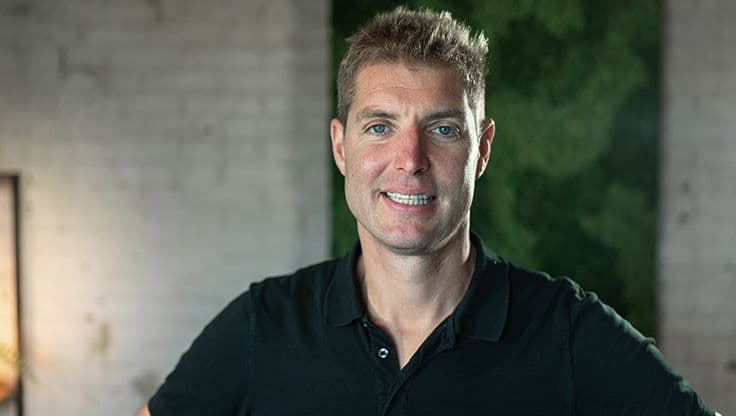
For my talks I visit a lot of different organisations. Every time, the same thing strikes me. It is not the size of the company that determines how much energy there is in the workplace. Nor the budget for wellbeing programmes.
You usually notice it as soon as you walk in. In one company everyone walks past each other. The calendar dictates the day, meetings follow one after another and by the end of the afternoon everyone is mostly glad it is over.
Somewhere else the workload is just as high and the goals are just as ambitious. Yet the atmosphere is different. People make time for each other. They speak up when something is not going well. People work hard and laugh too. To me, that is vitality.
A fruit bowl won't fix it
Many organisations look for the answer in one-off initiatives. A gym membership. Free fruit. A workshop on health. There is nothing wrong with that. Exercise and a healthy lifestyle matter. But those measures change little if the basics are not right.
If people are under heavy pressure every day, have no say in their work or feel they are on their own, a team slowly runs out of energy. Then a bowl of apples in the canteen does not help much any more.
As an elite athlete I thought for a long time that it was all about discipline. Train more, eat better, plan smarter. Later I met people who were perfectly healthy and went to work every day without any enjoyment. And people who had just come through a very hard time and got a lot out of their work.
Vitality is not only about how much energy you have. It is mostly about where you get it from.
Look at how colleagues handle pressure
Organisations that ask me how they can improve wellbeing sometimes expect a list. Move more, eat healthier, sit less. I almost never start there.
I would rather look at how colleagues treat each other when things get busy. That is where you see what the culture really is. Whether help is offered or everyone works on their own island. Whether people dare to say honestly that something is not working. Whether there is room for mistakes. That says more about vitality than the number of steps someone takes a day.
During the Elfstedentocht swim I learned that you guard energy together. Everyone saw me swimming. Far fewer people saw the team around me. The people who made sure I ate on time, got rest and stayed sharp. Without them I would never have reached the finish.
I see the same in organisations. People who keep going for a long time rarely do it alone. They are the people who work together, ask for help and make each other stronger.
Teams that come out of setbacks stronger
I like to come back to the same organisation more than once. Then you don't just see one day, but also how a team develops.
The teams with the most energy are by no means always the teams where everything comes easily. Often they have been through a lot. A reorganisation, a difficult market, big changes. They came out of it stronger. Not because they are smarter, but because they solve problems together instead of putting them off.
Healthy is not the same as vital
Health and vitality are often used interchangeably. They don't mean the same thing. You can be perfectly healthy and still come home exhausted every day. And you can be just coming out of a very hard time and get a lot out of what you do.
I have experienced that myself. After my treatment for cancer I did not immediately think about elite sport. First I just wanted to be able to live normally again. Only after that did the question come back of what I still wanted to achieve. That is when I discovered that energy does not only come from your body. It also comes from having a goal, and from people around you who believe in you.
That is why I don't believe in wellbeing policies that are only about health. Attention to exercise, food and sleep is good. But if people don't feel valued or are always running behind, that energy disappears anyway. Vitality comes from health, enjoyment of your work and a safe working environment reinforcing each other.
Start small
Organisations often look for big solutions. More often the gain is in small things that come back every day. A manager who really asks how you are doing. A colleague who takes over some work when it is busy. A meeting where not only results are discussed, but also how the team is doing.
The organisations where I see the most energy don't do anything special. Above all they are consistent. These are the habits I keep coming across:
- Managers make time for personal conversations, even without a direct reason.
- Successes are celebrated together, including small ones.
- Employees say honestly when something is not working.
- After a busy period there is attention for rest, not only for the next deadline.
- Working together counts as much as individual performance.
None of these points costs much money. They do take attention every day.
Every day again
Vitality does not come from one afternoon or a new policy document. It is in the choices of every day. How you treat colleagues. How managers respond when things get difficult. Whether people feel safe to be themselves.
Great achievements rarely come from one special moment. They are the result of hundreds of small choices. That was true of my sporting career and of the Elfstedentocht swims. And it is true of teams that work together with enjoyment and trust for years.
Maarten also gives a keynote on enjoying your work and wellbeing, for staff days, annual meetings and wellbeing programmes. Read more on mental resilience.